
Crop Protection
- Insecticide, miticide, fungicide and herbicide efficacy
- Biopesticides and crop safety
- Seed treatments and plant growth regulators

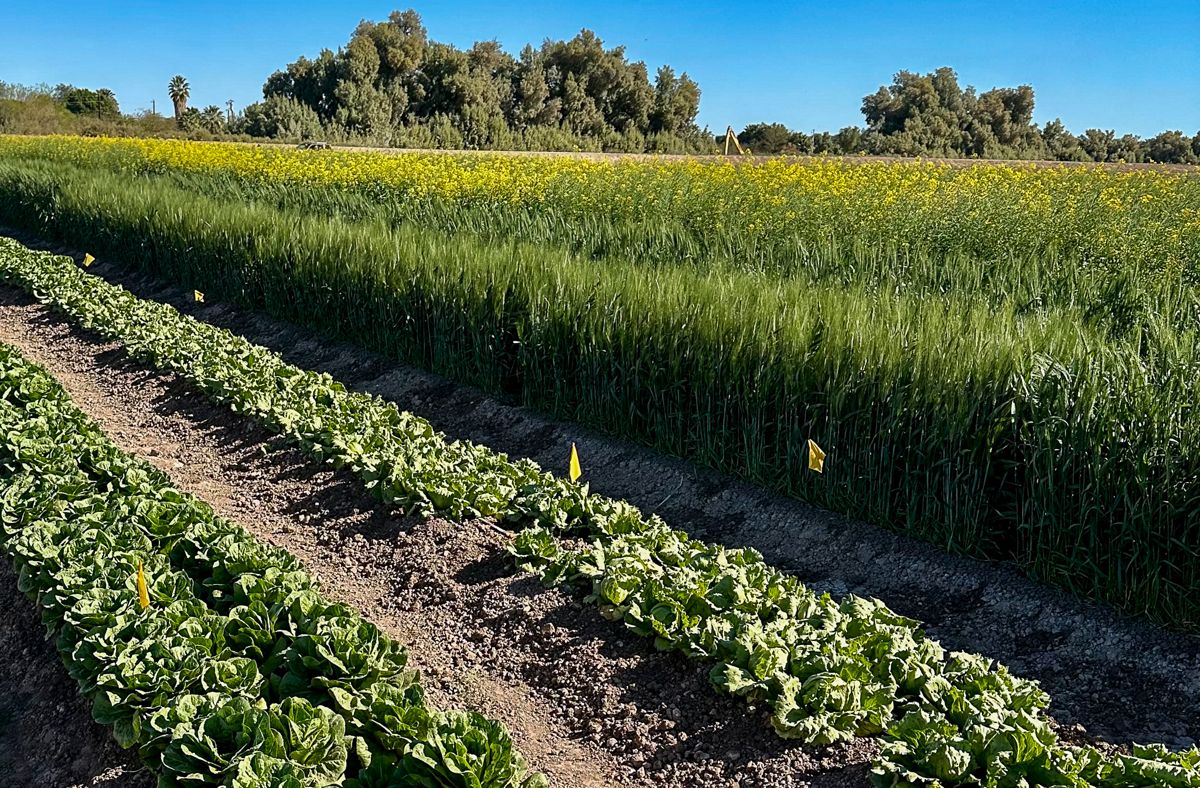
Independent trials since 1983, run in the Arizona low desert year-round and in Montana all summer.
Independent by design
We charge for the time it takes to do the science of your trial, not for the answer. That frees us to focus on what matters: a fair evaluation, under the conditions where your product is most likely to perform.
We want products to work. Better tools make better farming. When one does, our data shows it clearly, and when it doesn't, you'll know why. That independence is fundamental to who we are, and it's why companies have trusted us with their protocols for more than four decades.
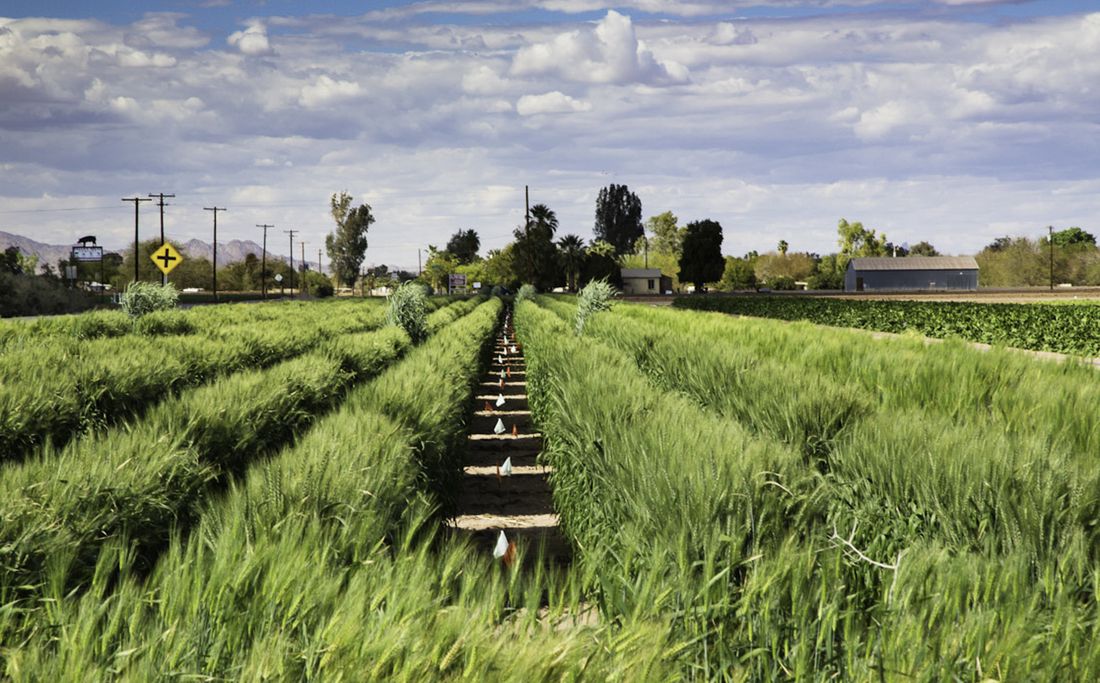 Four decades of field experience working for you
How we test
By the time a product reaches Yuma or Montana, somebody already has data saying it works. Our job is to understand the conditions, and the way the product works, where it can put its best foot forward, then test it honestly under those conditions. We don't always get it right; sometimes a trial teaches everyone something nobody knew going in. No stake in the outcome, but every stake in a fair test.
A systemic insecticide for aphids gets tested on aphids. Spray it on worms and call it a failure, and you tested it wrong.
If it only kills small worms, or only works at egg hatch, that's when it goes on, with the coverage to be there when they emerge.
Baby-leaf spinach runs 3.5 million plants an acre. A contact fungicide at 5 gallons an acre won't reach that canopy. Organic growers put down 100 gallons or more for a reason.
If a biostimulant only works under drought or salt stress, it gets the stress. If high nitrogen, high phosphate, high pH or calcareous soil shuts it down, we know that going in.
From the grower's side of the fence
We began as crop consultants, walking growers' fields for a living, and that's still how we think. Decades of work across the Americas, from subsistence plots to plantation-scale operations, taught us how the pieces of farming fit together. The question isn't only whether a product made a difference in the plot. It's whether the difference matters to the farming operation that will use it.
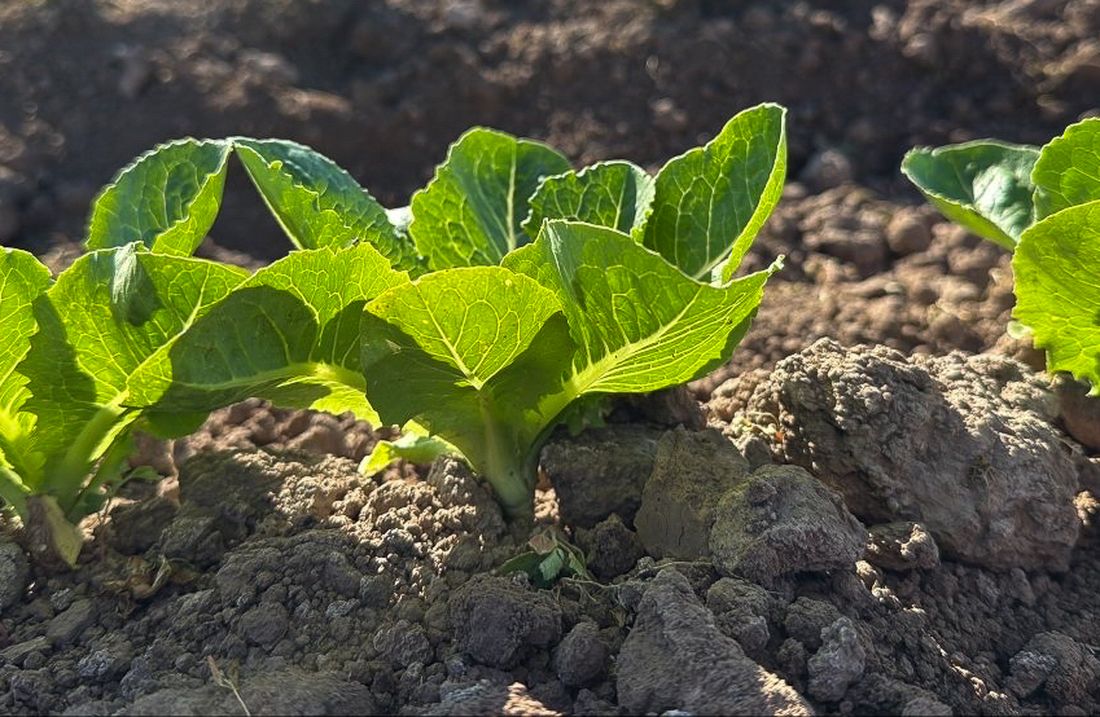
Lettuce and baby leaf are cut once. Whatever is ready on harvest day is the crop, and a crew typically cuts only about 75% of the heads in a field. Cutting and weighing every head in a plot misses that. Uniformity decides whether the crew cuts 75% or 85%, so we measure it: head size and how much it varies. Variability of plus or minus 15% is outstanding; most fields run 35 to 45%.
We bring the same thinking to every crop we evaluate. Find the metrics that impact the grower's paycheck, and measure them.
Every trial is run through at least two statistical models: a standard ANOVA and a spatial ANOVA that corrects for field gradients, plus a factorial analysis when the design allows. When the models agree, the finding is corroborated and you can lean on it. When they don't, we say so.
Each finding carries a plain confidence rating, from corroborated down to directional. You get what your product did, and how much weight the data can bear.
Services
Personalized field trials for product development, registration and demonstration, conducted in strict confidence across a wide range of crops and pests. If it's new, novel or hasn't been tried before, we'd like to hear about it.
Evaluation technology
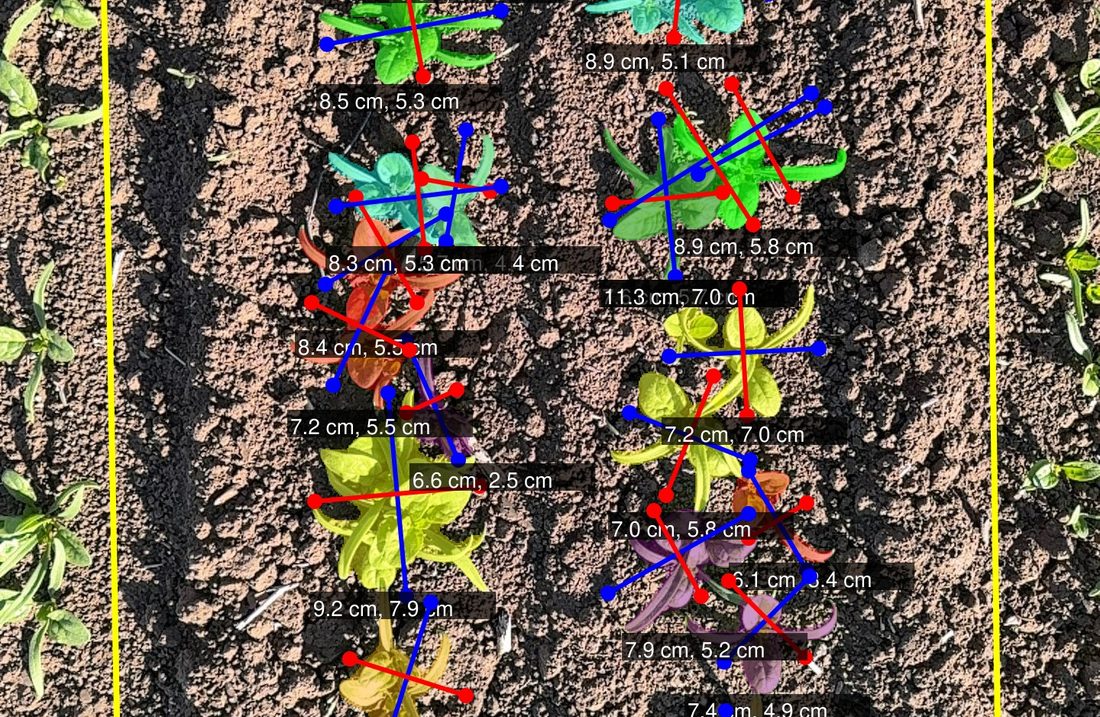
Standing at the edge of a plot and estimating vigor isn't repeatable enough for the subtle differences today's products produce, and Monday-morning ratings shouldn't differ from Friday-afternoon ones. Done by eye, they will. We've been working at the front of field imaging for years, and the tools are moving fast. We can now pull measurements out of a trial that we couldn't two years ago.
Image measurement earns its keep on biostimulant, fertility and agronomic trials, where the differences are subtle. On insecticide trials, careful counting still rules, so where software can't do the job, we count by hand and keep the images so any odd number can be checked against the original.
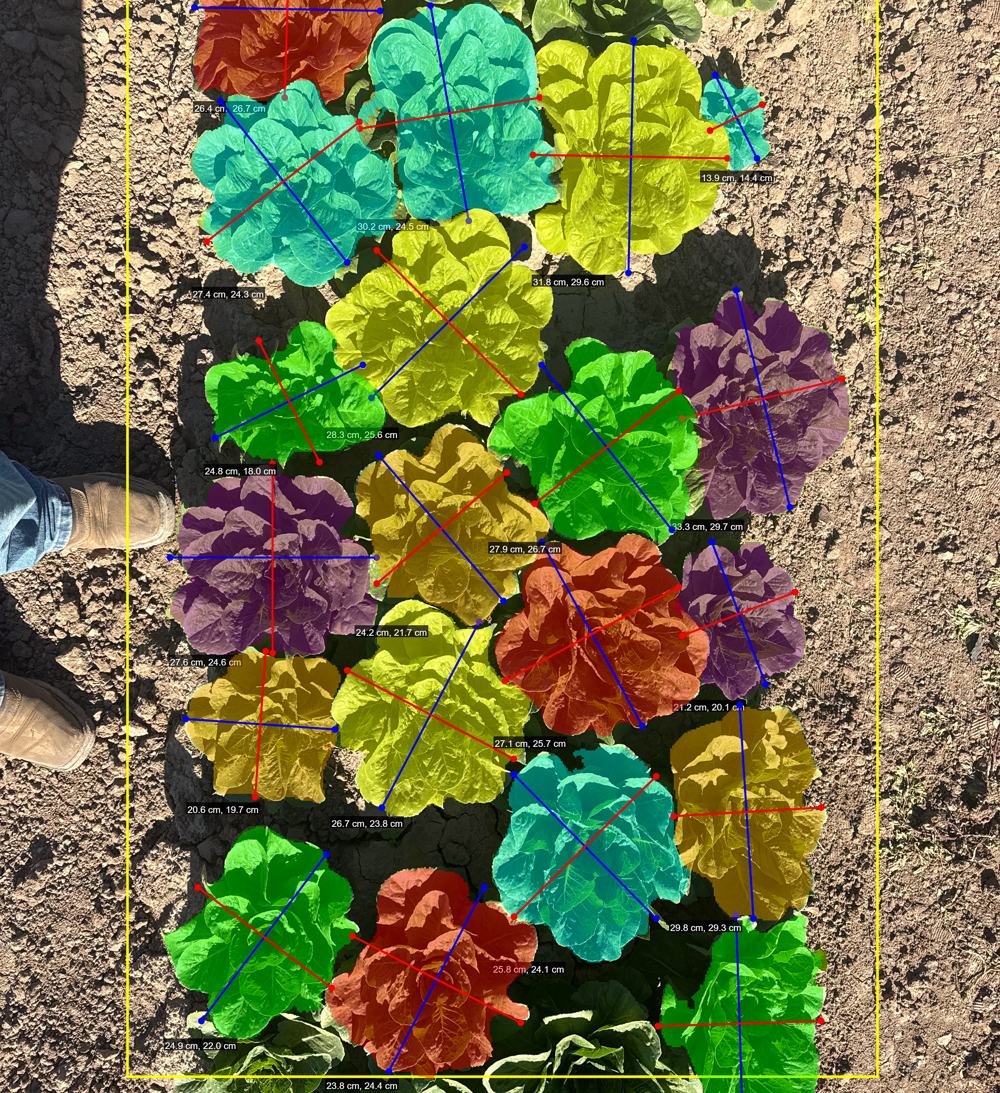
Is this plot bigger and happier than the others? We answer with numbers.
Meet Cartzilla, our four-wheeled rolling photo booth for the field.
There's no reliable AI bug counter yet. So we count, plant by plant.
Following the salt, not just measuring it in one spot.
Replacing "shovelnomics" with root architecture you can put a number on.
At harvest we measure the things the buyer grades on.
Equipment & capabilities
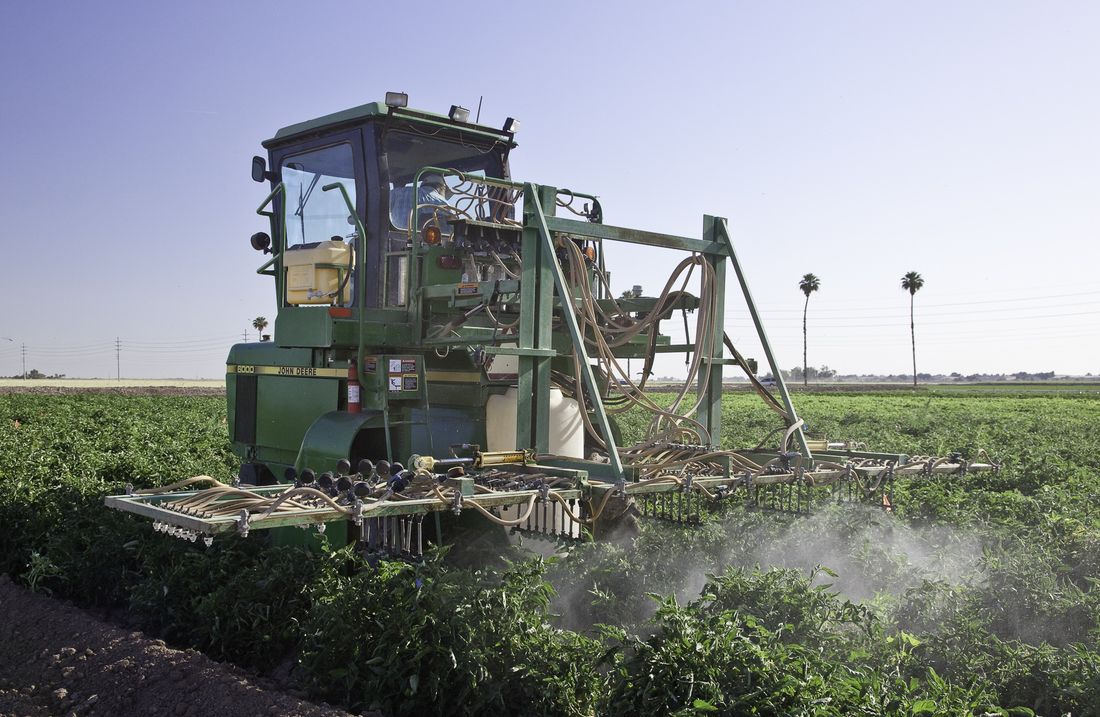
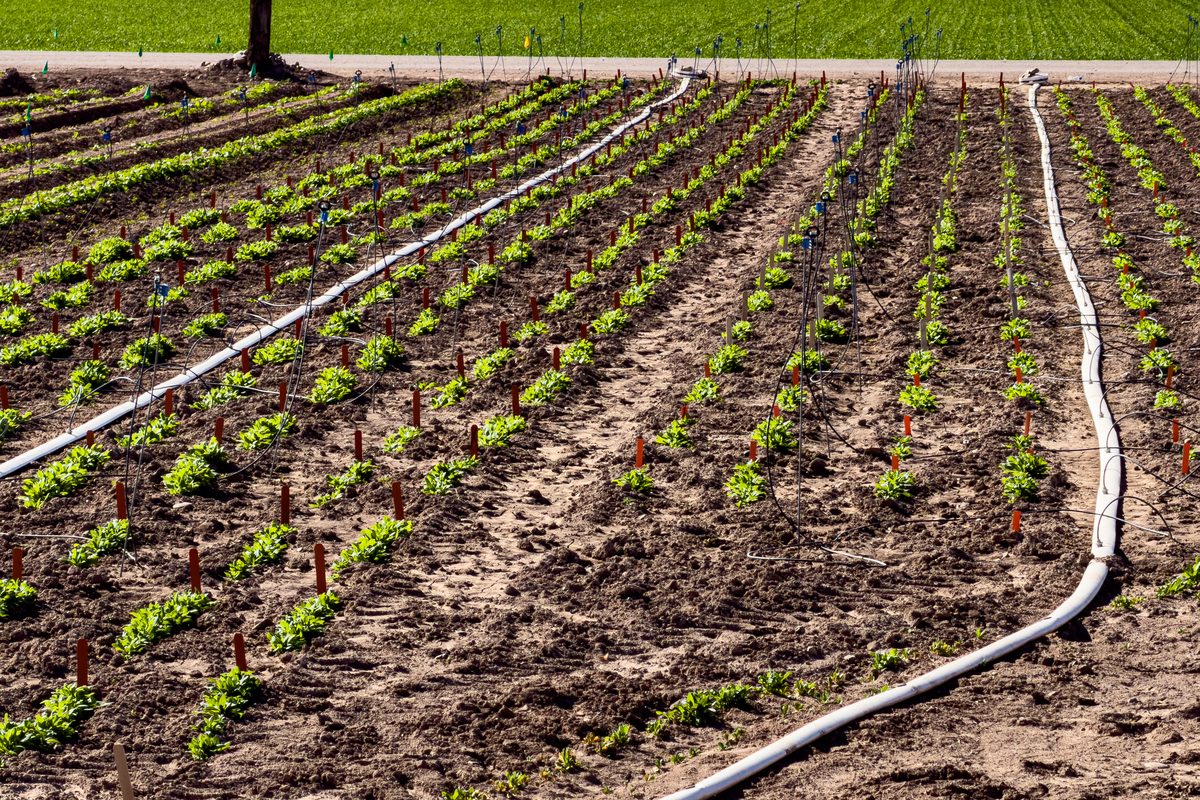
We've spent four decades accumulating the equipment to plant, treat, irrigate and harvest almost any trial, much of it built in-house. Here is the short list. We built our 8-boom research sprayer ourselves 35 years ago, long before multi-boom plot sprayers caught on, and every treatment still gets its own tank and boom. On drip and sprinkler trials, test products go in through the same lines that irrigate the crop, the way a grower would apply them.
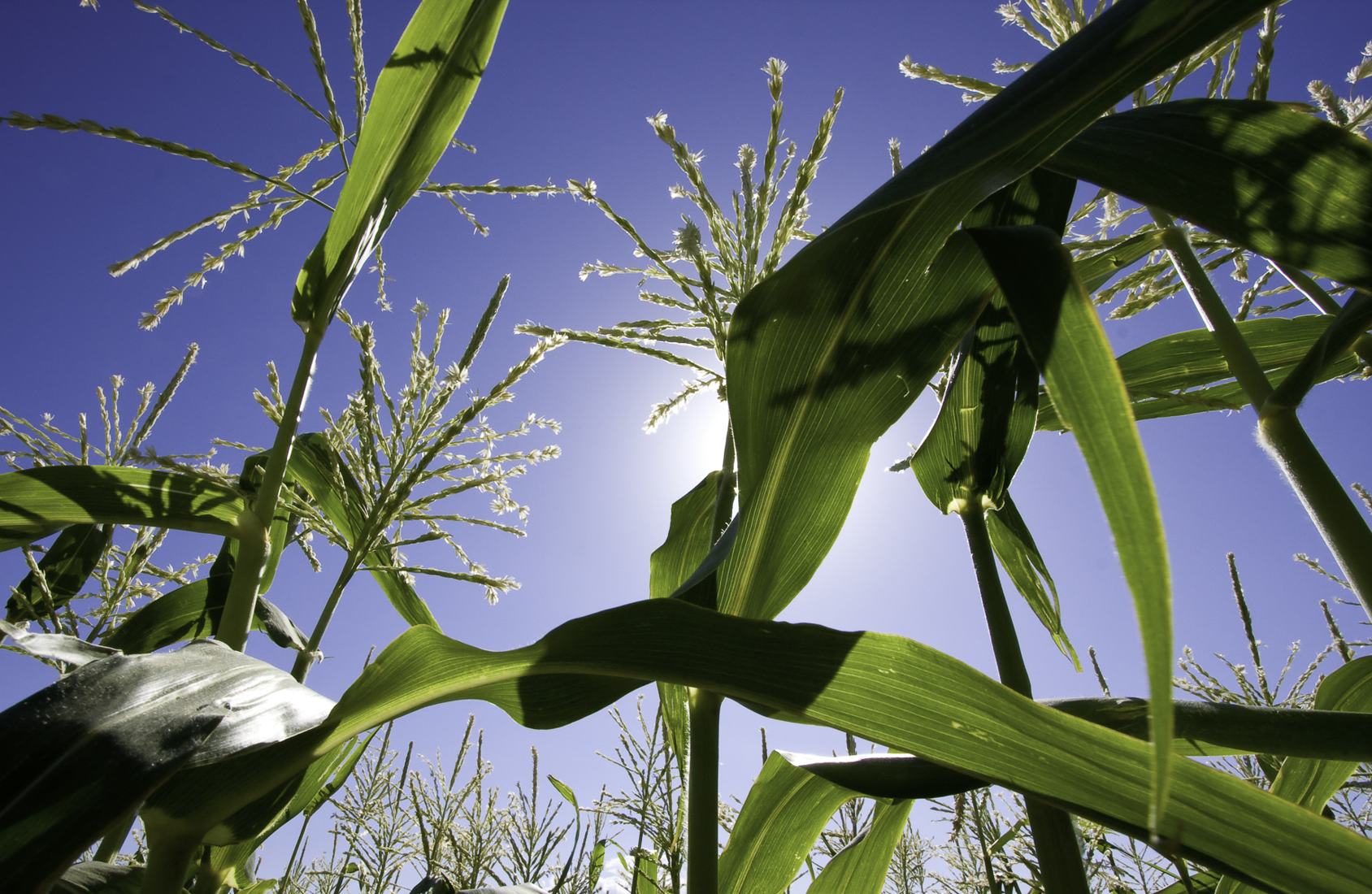
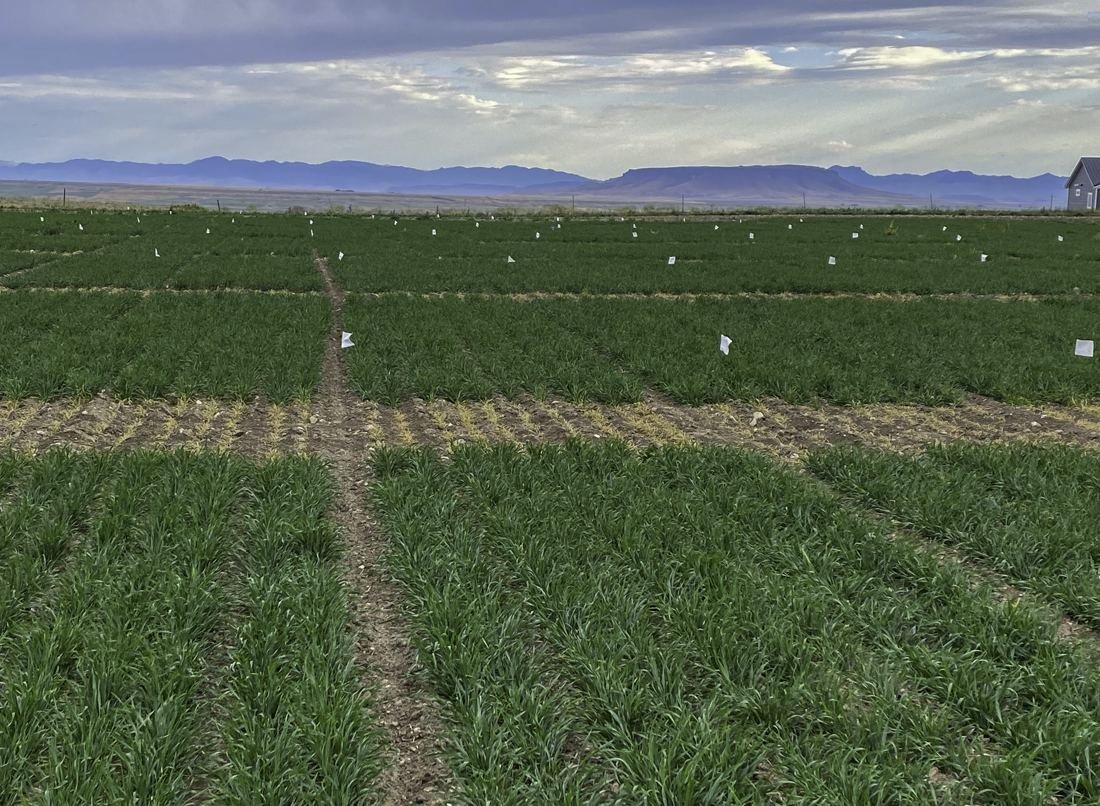
Main office and our own dedicated research farm, where we control everything from land prep to final disking. Long, warm winters make Yuma the country's winter vegetable basket and a natural winter nursery for northern crops.
Office, lab and crew housing serving our Montana field trials.
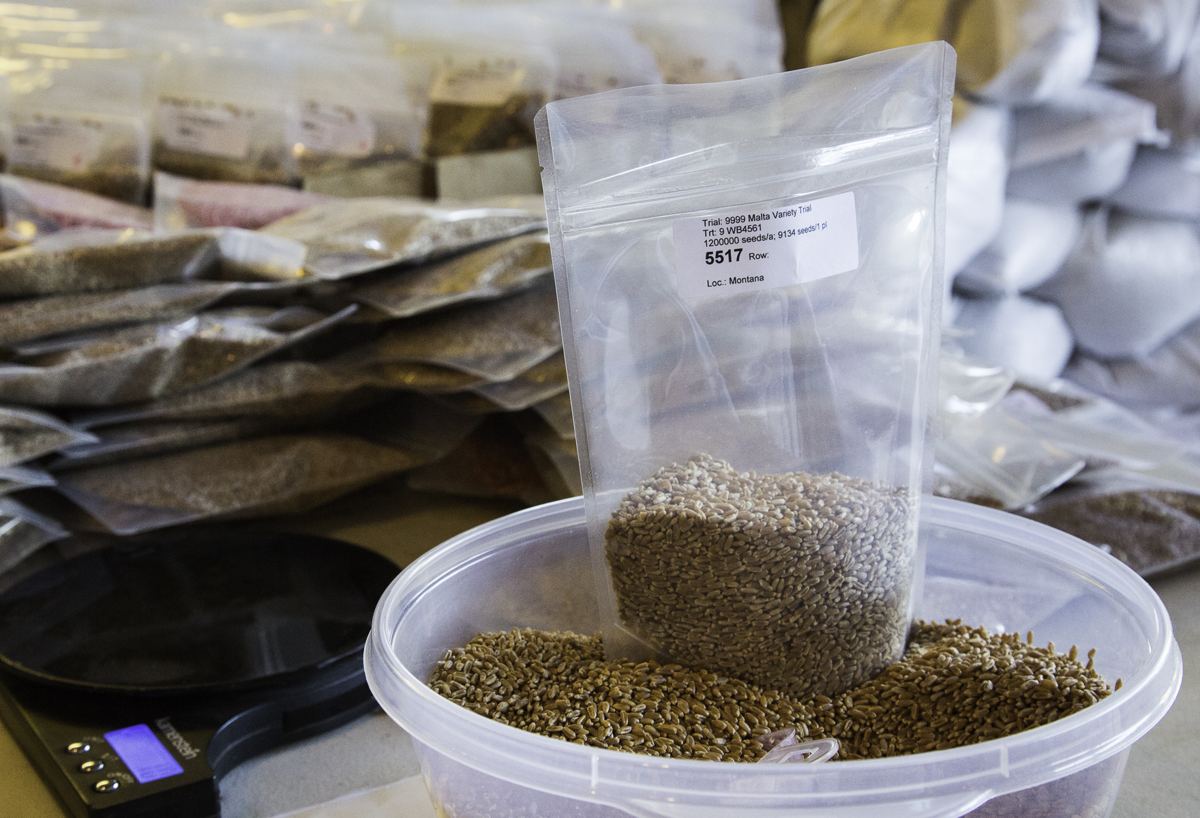
Seed treatment & processing
We've invested in state-of-the-art seed treatment and cleaning equipment, so a seed treatment trial can go from untreated seed to planted plots without leaving our hands. The same gear handles increases, nursery seed and lots headed for export.
The big seed companies do all this in-house. Smaller companies usually can't. If you have a seed treatment or biological to test, we can treat it, count and bag it, and either plant it here or ship it ready to plant to researchers at other sites.
Planning a desert trial?
Typical planting and harvest windows for the Arizona and California low desert. The full calendar covers 20+ vegetable and melon crops, plus field crops and citrus.
Agriculture runs deep here. Steve comes from five generations of California citrus growers. RD4AG began in 1983 in Colorado's San Luis Valley, when Steve, an agronomist, and Lee, an entomologist, set out to help farmers with pest management and fertility. A year later Lee ran the company's first efficacy trial, on potato early blight, and the research business was born.
Across the American West, we've pretty much been there and done that, with trials in Arizona, California, Colorado, Idaho, Montana, New Mexico, Texas, Utah, Wyoming and Hawaii. The work has also taken us to more than 250 trials outside the mainland U.S. About 180 of them were in Mexico, from Baja California and Sonora to Tabasco and Chiapas, on everything from tomatoes, peppers and broccoli to cotton, corn, coffee and citrus. Bananas in Costa Rica, Honduras, Guatemala, Ecuador, Martinique and Hawaii, plus mangoes and cacao in Ecuador. Coffee, tobacco, mangoes and cacao in Brazil. Grapes in Chile and Argentina. Seeing agriculture at every scale, from subsistence plots to plantations, is what lets us see how a trial result will play out in a real operation.
We've been part of the National Alliance of Independent Crop Consultants since our second year. Lee is a past NAICC president, and only one active member has belonged longer than we have.
Presentations & papers
Contact